
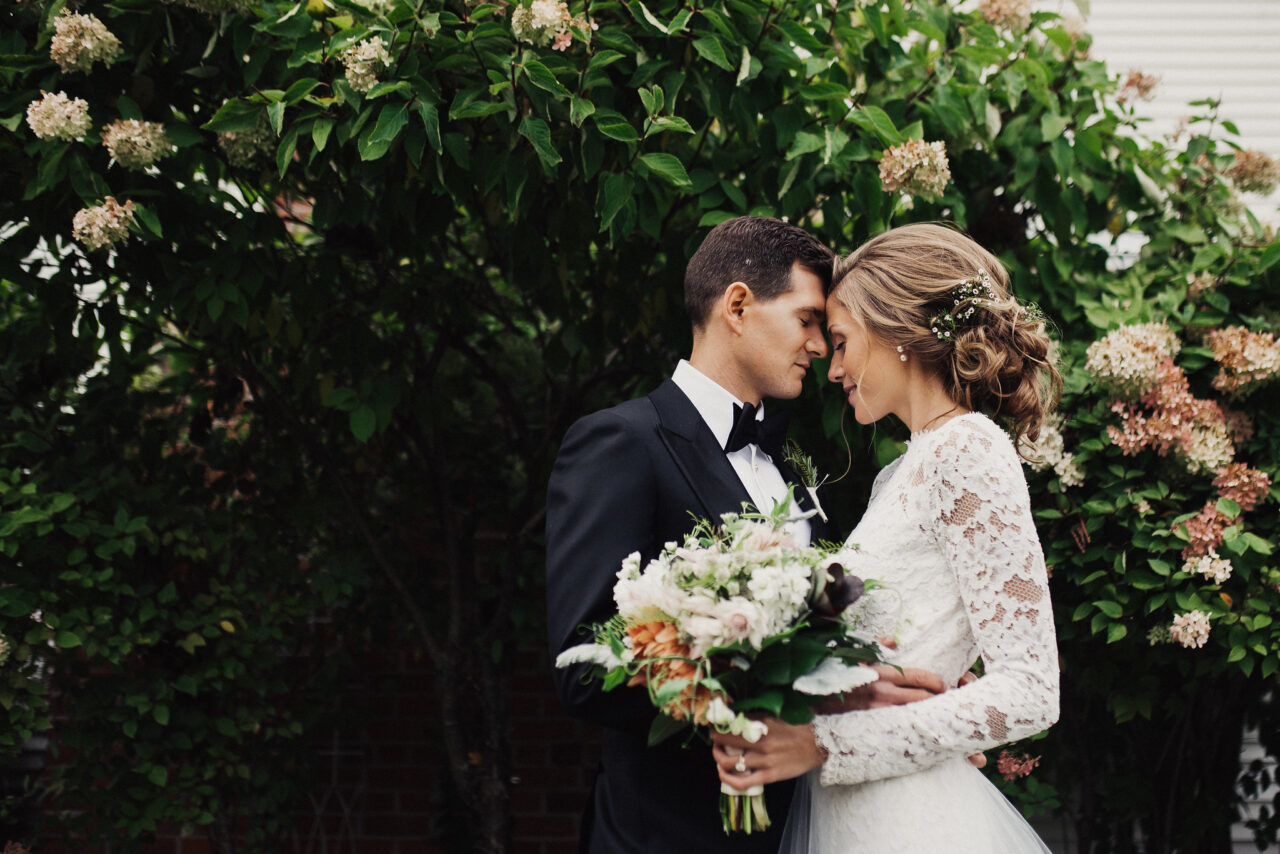
Despite carefully planning, a wedding timeline can run a few minutes late. Hair and makeup, transportation, family portraits, weather, and post-ceremony hugs all take the time they take.
Build a timeline that can absorb real life
Add brief buffers before the ceremony, between portraits and cocktail hour, and before major transitions. If the day is exactly on time, you have a chance to breathe. If it is not, the schedule can flex without guests feeling the effect.
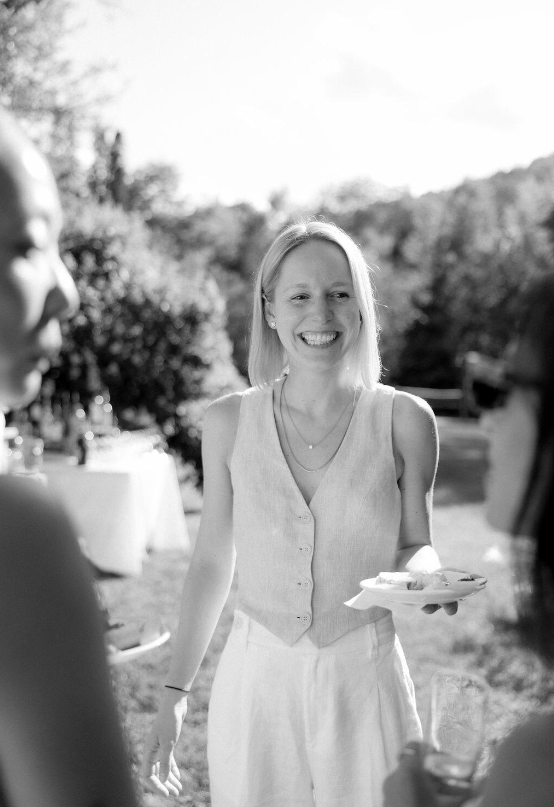
Save space for the unscripted moments
A private conversation with a grandparent, a laugh with the wedding party, or a quiet look at your reception space will not appear on a formal run sheet. Those memories need an open corner of the day to happen.
Make it a team plan
Ask your planner, photographer, caterer, entertainment team, and venue contact where a few extra minutes will be most valuable. At Riverside Farm, one wedding each weekend means couples are not planning around same-day turnover pressure.
Put buffer time where it will protect the day
Fifteen minutes of nothing is not a mistake on a wedding timeline. It is a practical tool. The key is to place it before a delay can affect guests or a major vendor. Add a short cushion before the ceremony, after a first look, between family portraits and cocktails, before the reception entrance, and ahead of any moment with a strict start time. You may not need every buffer, but using one is much easier than recovering time you never planned.
Start by identifying the parts of the day that regularly expand. Hair and makeup can run long when someone needs an extra adjustment. Family photos take longer when people are scattered. Transportation depends on traffic and loading. Post-ceremony hugs are wonderful, but they are not measured in a run sheet. Build your wedding timeline plan around the human version of the day, not the quickest possible version.
Distinguish between private time and empty time
A buffer does not have to mean standing in a hallway watching the clock. It can be a chance to have a snack, touch up makeup, drink water, read a note, take a few quiet photos, or simply look at the reception space before guests enter. If the day runs on time, this space becomes a gift. If it does not, it absorbs a delay without creating a feeling of failure.
Tell your wedding planner, photographer, and wedding party what the buffer is for. Thats good wedding timeline planning. When everyone understands that it is intentional, they are less likely to fill it with one more task. Your coordinator can decide whether to use it, protect it, or release it as the day unfolds.
Build transitions, not just events
Many timelines list the ceremony, cocktail hour, dinner, and dancing, but overlook the minutes required to move between them. Include travel, restrooms, dress bustling, gathering family, greeting guests, and vendor resets. Consider the physical route people will take, especially when a ceremony and reception use different parts of a property. Clear directions and a little time make the event feel organized without becoming rigid.
It also helps to choose which moments can move and which cannot. Dinner service, a band arrival, or transportation may have firm timing. A cake cutting or a short portrait break can often flex. Share these priorities with the team so decisions do not need to be made under pressure.
Give yourselves permission to be present
A wedding timeline is not improved by completing every planned photo, greeting every guest on a precise minute, or following every cue perfectly. The most lasting memories often happen in the margins: a grandparent’s story, a laugh with siblings, a breath before the doors open. Buffer time is how you make room for those moments without sacrificing the structure that keeps guests comfortable.
At Riverside Farm, one wedding each weekend means couples are not planning around same-day turnover pressure. Use that breathing room with intention. A calm, flexible timeline can make the day feel less like a production and more like the celebration you hoped to have.
Where buffer time helps most
If you can add only a few cushions, protect the time before the ceremony, after formal portraits, and before dinner begins. These points connect many people and vendors at once. A ten-minute adjustment there can prevent a small delay from becoming a rushed entrance, a shortened cocktail hour, or a late meal.
Keep the buffer visible on the shared vendor timeline. If it is hidden in a personal note, another well-meaning person may schedule over it. When it is named, the whole team can help protect it. A wedding timeline plan can be an art. but also needs flexability.

Ready for a wedding timeline that can breathe?
A private Vermont estate and one wedding each weekend give your plans room for real moments, graceful transitions, and a little welcome flexibility.
Contact Riverside Farm to begin planning a celebration that feels as good as it looks.